Betta fish relatively hardy pets, yet they can face several health problems if their care is neglected. Among these issues, one of the most common and worrying is bloating. A bloated betta can quickly become a serious health concern, impacting your fish’s mobility and overall wellbeing. Knowing how to recognize, treat, and prevent bloating in your betta fish is crucial for every responsible owner.
This comprehensive guide dives deep into everything you need to know about bloated bettas, covering key signs, causes, treatments, and prevention methods to keep your fish healthy and happy.
Identifying a Bloated Betta: Red Flags
Before exploring the full list of bloated betta symptoms, it’s worth outlining the most noticeable signs that anyone can recognize, even with an untrained eye.
On the lookout for the following red flags:
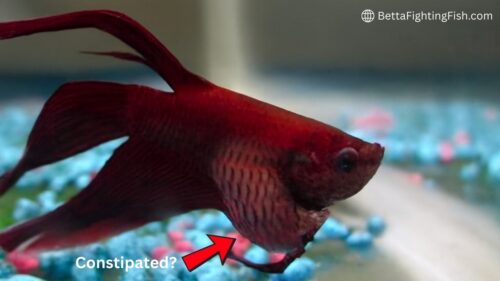
- Distended Belly: A prominent and often asymmetrical swelling on one side of the betta’s abdomen is a clear sign. This unusual bulge can make the fish appear off-balance or awkward.
- Difficulty Swimming: Bloating often affects the fish’s buoyancy and swimming ability. Your betta might struggle to control its movements, sometimes getting stuck on the tank’s bottom or floating awkwardly on the surface.
- Reduced Appetite: A betta that suddenly refuses food especially if it previously had a strong appetite could be experiencing digestive issues linked to bloating.
Differentiating bloating caused by illness versus natural conditions like pregnancy (in females) or bubble nest-building (in males) is important. If you observe swelling without other reproductive behaviors, it’s advisable to investigate further for health issues.
A betta’s bloated belly is most often caused by dirty water, bacterial issues, or parasites that settle in its digestive system.
Additionally, when a fish’s immune system is weakened, it creates ideal conditions for bacteria to spread unchecked and negatively affect the health of these freshwater species.
What Causes Bloat in Betta Fish?
Identifying the exact etiology of bloat in betta fish can be challenging, as several different conditions can lead to abdominal swelling. Since each cause may require a specific treatment plan, recognizing the true underlying factor is always helpful.
Constipation remains the leading cause of bloating in betta fish, while swim bladder disease typically ranks as the second most frequent contributor.
For pet store owners, this is good news since these issues are typically quite easy to treat. Sadly, dropsy ranks third and severely impacts the betta’s internal organs, turning recovery into a challenging process.
With that in mind, let’s look at the different causes of bloating in bettas and go over the steps you can take to help your fish return to a healthy state.
Constipation
Fortunately, the most common etiology of betta bloating also happens to be the simplest to resolve. Even though severe constipation can look worrying, your betta should bounce back quickly as long as you stick to an appropriate treatment plan.
Causes
- Poor diet: Constipation in betta fish often stems from an imbalanced feeding routine. Nutrient-rich foods can strain the betta’s sensitive digestive system, while a diet lacking adequate fiber commonly becomes a leading trigger of bloating.
- Poor appetite: Bettas are widely recognized for having a strong, almost unpredictable appetite. They’re often eager to eat and will consume nearly anything they find. That’s why making sure your betta receives proper daily feedings should always be a priority. If the fish goes too long without food, it may begin nibbling on pebbles or other objects in the tank, which can lead to severe constipation and blocked digestion.
- Lack of physical activity: A betta’s digestive system relies on smooth muscle movement, which needs regular activity to function properly. This means your fish must stay active and swim freely throughout its tank. Keeping a betta in a small, crowded setup can work against its health, as limited space prevents it from swimming, exploring, and keeping its digestive tract stimulated.
Symptoms
- Swollen tummy: A bloated abdomen can restrict a betta’s swimming ability and make breathing difficult.
- Changes in appetite: Bettas thrive on a consistent feeding routine to satisfy their natural appetite. If you notice your betta suddenly refusing food, it’s a clear sign that something may be wrong. This becomes particularly concerning if you’re offering the same high-quality diet your fish is accustomed to, yet it still avoids eating.
- Reduced waste: A constipated betta often struggles to pass stool. This can appear as stringy or irregular feces, which may be difficult to notice since bettas typically produce only a small amount of waste each day.
Swim Bladder Disease
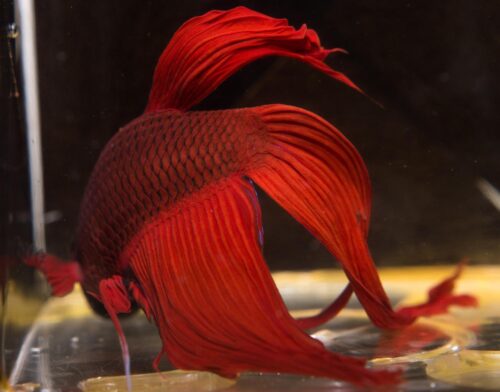
As its name implies, swim bladder disease happens when a betta’s swim bladder stops functioning properly. This organ is responsible for regulating buoyancy, helping the fish swim smoothly and maintain balance in the water.
Causes
- Unhealthy eating practices: Such as overfeeding, constipation, gulping air, or eating too quickly can all contribute to swim bladder issues. These behaviors cause the betta’s stomach to expand more than it should, which then puts pressure on the swim bladder and affects its normal function.
- Granular flake food: Can also contribute to swim bladder issues in bettas. Unlike live food, dry flakes expand once they absorb water. When this type of food sits in your betta’s stomach, it continues to swell, which can put pressure on the swim bladder and eventually lead to swim bladder disorder.
- Water temperature changes: Sudden changes in water temperature, lighting, or pH levels can trigger swim bladder problems in betta fish. Bettas are highly sensitive to shifts in their environment, and they struggle to cope with rapid fluctuations. Cold water is especially risky because it slows down digestion, causing food to remain in the digestive tract longer. This buildup can create pressure on the swim bladder and lead to swim bladder disorder.
- Other underlying illnesses: Other underlying health issues can also lead to swim bladder problems in betta fish. Because the betta’s gut is a tightly enclosed space with limited room, any swelling or enlargement of the internal organs puts pressure on the swim bladder. Conditions such as pregnancy, kidney cysts, or fatty liver can all cause internal organs to expand, reducing the space available and interfering with normal swim bladder function.
- Injuries: Can also lead to swim bladder problems in betta fish. Bettas may accidentally hurt themselves by trying to jump out of the tank, so it’s important to keep the tank covered. Aggressive tank mates that nip at your betta can also cause damage to its swim bladder system.
Symptoms
- Buoyancy changes: Are the primary symptom of swim bladder disease in betta fish. You may notice your betta struggling to swim properly, getting stuck at the surface or sinking to the bottom of the tank. This can be particularly dangerous, as bettas need to reach the surface regularly to breathe.
- Curved back: In severe cases, swim bladder disease can cause visible physical changes in your betta fish, such as a curved back.
Dropsy
While constipation and swim bladder issues can often be managed with proper care, dropsy is a much more serious and usually brings an end to your beloved betta’s life. Affected bettas should always be isolated in a separate quarantine tank to protect healthy fish and stop the disease from spreading.
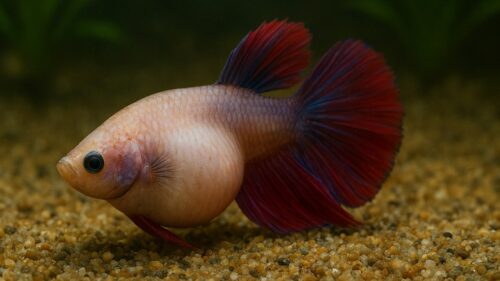
Causes
Bacterial infections: Dropsy develops when harmful bacteria slip beneath the betta’s scales and begin spreading to organs such as the kidneys and liver. As these organs become compromised, the fish loses its ability to expel excess fluid, which results in swelling and a bloated appearance.
Symptoms
Changes in activity and eating patterns: As fluid builds up inside the body, your betta’s energy level drops noticeably. You may see reduced movement and a declining appetite, both of which are common signs of progressing dropsy.
Pinecone scales: A betta with dropsy often develops a “pinecone” look, where the scales stick out and create a rough, raised appearance. This happens because internal organ damage leads to severe swelling, causing the skin to stretch and the scales to lift outward.
How to Prevent Betta Fish Bloating
Keeping your betta’s immune system strong is one of the most important steps in preventing bloating. You can support their overall health by giving your betta good food, keeping the water clean, and making sure the tank isn’t overcrowded.
Tank Size
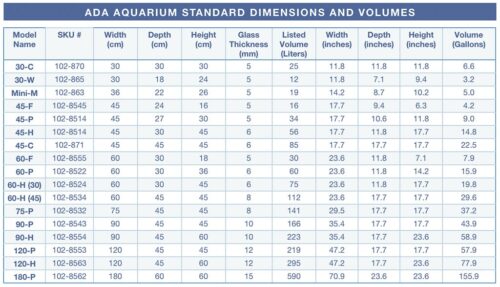
For starters, make sure your betta lives in a properly sized tank where it has enough space to swim and stay active. It’s also recommended to keep your betta in a tank of at least ten gallons, which helps reduce the risk of constipation and supports better overall health.
Tank Mates
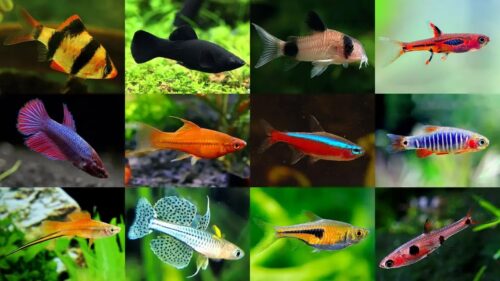
If your betta lives in a community tank with other fish, make sure it isn’t experiencing any stress from its tank mates.
Sometimes, aggressive tank mates can negatively affect your betta’s health and overall well-being.
So, why are bettas often kept with aggressive tank mates in the first place? The rising demand for brightly colored betta fish has led some breeders and pet shops to experiment with different pairings in hopes of producing unique and vibrant color variations.
These experimental pairings can bring underlying genetic issues that contribute to bloating in betta fish. Additionally, the stress bettas experience during the breeding process can take a significant toll on their overall health, including the proper function of their digestive system.
Diet
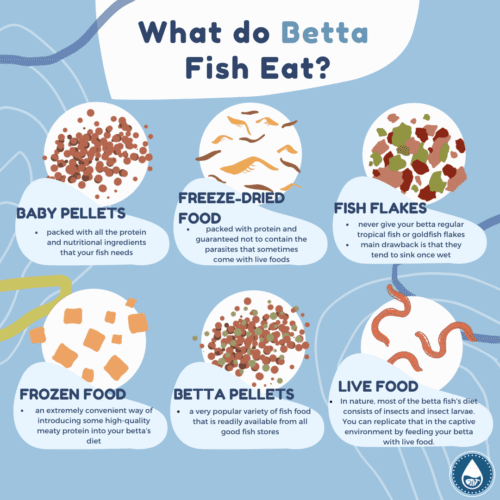
Next, it’s important to focus on the quality of your betta’s diet. Rather than getting into the many fish food brands available at pet stores, here’s a simple homemade recipe you can easily prepare for your fish.
Peas are a great addition to a balanced betta diet and are easy to find in most households, making meal planning simple. To prepare, simply boil one pea for 30 seconds to 1 minute, depending on whether it’s fresh or frozen, before feeding it to your fish.
Next, transfer the pea to a bowl of cold water and let it cool. Once chilled, remove the skin, and just like that you have a simple, nutritious meal for your betta ready in just a few minutes.
Salt Content in Water
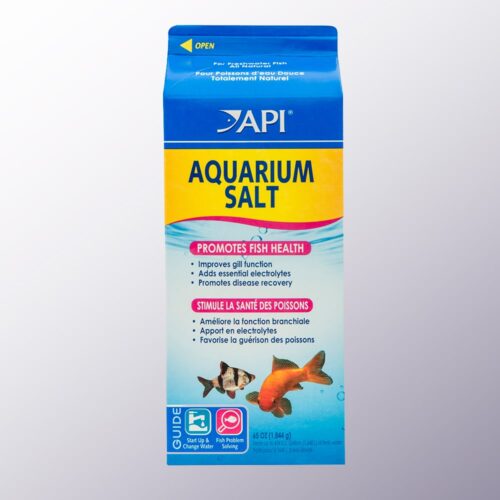
The tank water’s pH is a key determinant in the betta fish’s health.
For this reason, your betta should have occasional low-salt baths that match its blood salinity, helping maintain proper osmotic balance. This prevents fluid buildup and keeps dropsy from becoming a problem.
Watch This!
FAQ
How to treat swim bladder disease?
Treating swim bladder disease can be simple. Start by fasting your betta for a few days, then provide high-quality dried or live food. Adding a small amount of aquarium salt to the tank or giving occasional Epsom salt baths can help support swim bladder health. In some cases, over-the-counter medications may also be effective.
How to treat dropsy?
Using antibiotics or antibacterial agents in the tank can be unreliable, as some bacteria are difficult to eliminate.
Additionally, methylene blue dips can serve as a secondary treatment if antibiotics don’t work. However, prevention is always better than cure, so regular water changes for your betta should never be overlooked.
What is a Malawi bloat?
This is a rare condition that primarily affects other fish species but can sometimes occur in bettas. It is caused by mosquito larvae and certain bacterial infections. The most effective way to prevent it is by keeping your betta’s tank water clean and well-maintained.
Conclusion
Bloating in betta fish is a relatively common issue and is usually easy to manage. However, as soon as you notice any signs of bloating, it’s best to move the affected betta to a separate quarantine tank.
Stringy stool can spread the infection to other fish, so moving the affected betta to a separate tank helps reduce transmission. Additionally, the bacteria can cling to aquarium decorations and eventually contaminate the filtered water.
Treating a bloated betta is straightforward if you follow these steps: (1) learn as much as you can about your fish, (2) consult an experienced fish breeder for guidance, and (3) seek help from a qualified veterinarian.
About the author

Samantha Bailey
Samantha is a betta fish enthusiast and hobby aquarist. She started keeping bettas in college and quickly fell in love with their vibrant colors and unique personalities. Over the past 7 years, she has gained hands-on experience with tank setups, water care, and fish health, which she now shares with other beginners through her blog.