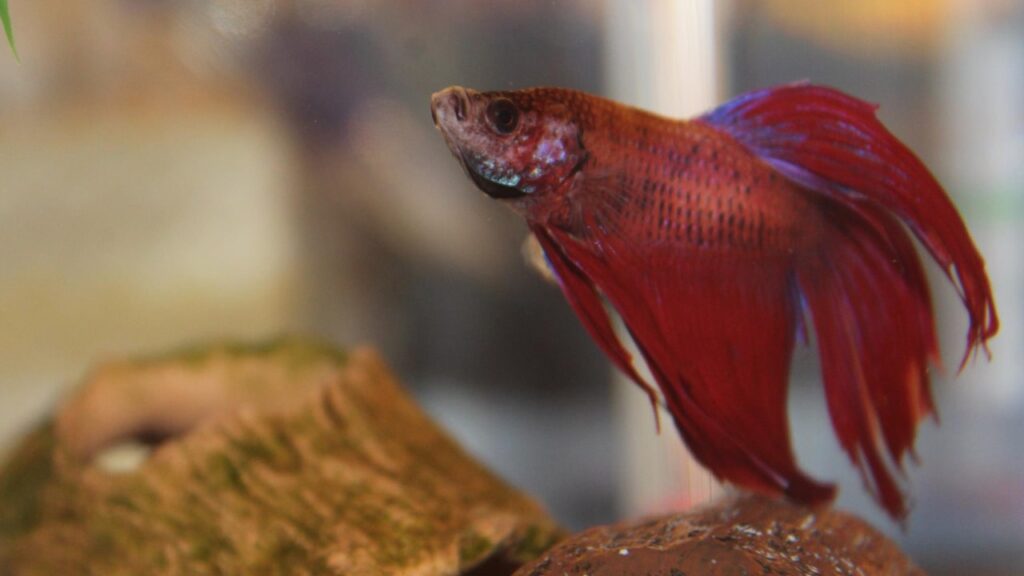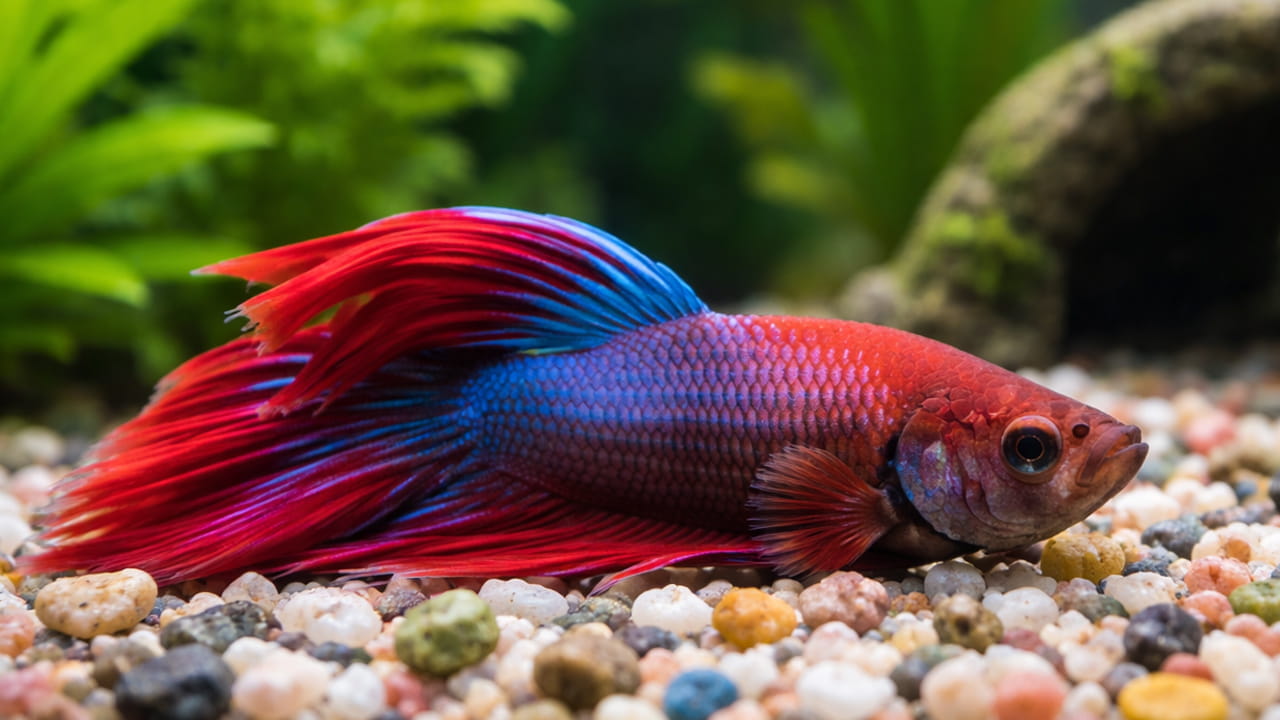
The Betta fish is known for its vibrant and energetic nature. It usually reacts to what is happening around it and tends to swim with enthusiasm. Because of this, when it suddenly becomes still or inactive, many people immediately start to worry.
Is it normal for a Betta fish to lie at the bottom of the tank? Why does it remain still? Is there any reason to worry?
Betta fish may rest on the bottom of the tank for different reasons. Some of these causes are completely normal and harmless, while others may indicate stress or health problems. Knowing how to tell the difference can help you identify and address any issues your betta might be experiencing.
Reasons Why Betta Fish Is Not Moving
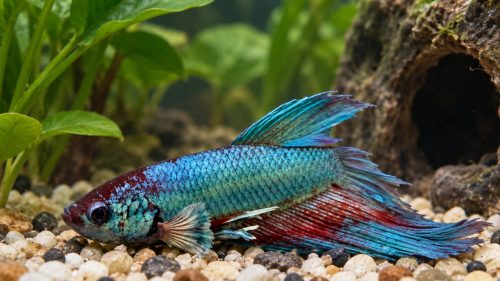
It can be alarming to see a betta fish lying still if you don’t know the possible reasons. Many people immediately assume the fish has died. However, a lack of movement doesn’t always mean that. Sometimes the fish may simply be sleeping, while in other cases it could be related to a more serious issue, such as poor water conditions or poisoning.
Seeing a betta fish staying still and not swimming can be worrying, especially if you don’t know what’s behind it. At first glance, it might seem like the fish has died, but a lack of movement doesn’t always mean that. The cause can be something harmless, like sleeping or something more serious such as poisoning.
1. Sleeping Betta Fish
A common reason a Siamese fighting fish may be lying at the bottom of the tank is simply that it’s asleep. Betta fish often rest on their sides because it’s comfortable for them, even though this behavior can seem unusual or concerning to many aquarium owners.
If a betta has a healthy appetite, shows plenty of energy, and isn’t gasping for air, yet still rests at the bottom of the tank, it’s likely just sleeping. If you’re unsure whether it’s simply resting, keep an eye on the fish over the next few days and look for any signs of stress or illness.
Betta fish appreciate having a spot to support their often large fins while they rest. You can also place a resting area above the bottom of the tank to see if your betta is simply lying on its side to sleep.
When given a broad-leaf plant, a hammock, or a similar accessory, many bettas will move from lying on the tank bottom to resting on their side in the new spot. This behavior is typically a good sign that your fish is healthy.
2. Older Bettas Like Resting at the Bottom
Another common and harmless reason your betta may be at the bottom of the tank is simply age. As bettas get older, they often lose energy and stamina, so they may not swim as much and instead rest on their side at the bottom from time to time.
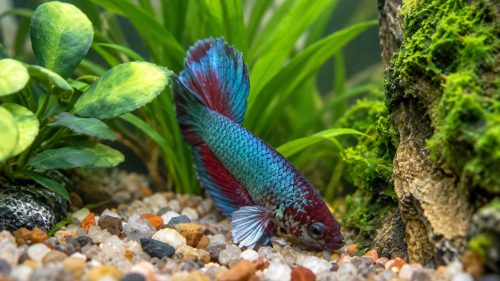
As bettas grow older, it’s a good idea to offer additional resting spots. They also prefer calm, gentle water flow, which becomes even more important as they age.
3. Ammonia Poisoning
A betta resting at the bottom of the tank is often nothing to worry about. But if it’s also refusing to eat while staying at the bottom, this may indicate a problem.
Changes in the water temperature or chemistry can trigger this behavior, with ammonia poisoning being the most common cause.
Checking for poisoning is fairly straightforward. Start by observing your fish for signs of heavy breathing or gasping. Then, use an aquarium test kit to measure the ammonia levels, which should be at or very close to zero.
If ammonia in the tank levels are too high, perform a partial water change. You can replace around half the water, though it’s often safer to change about 25 percent at a time and repeat over several days. Keep monitoring the water until the chemical levels return to a safe balance.
You can also lower ammonia levels by properly cycling your aquarium before introducing any fish. Maintaining a clean tank, avoiding overfeeding, and using a quality filter with chemical, mechanical, and biological filtration all help. Additionally, a water conditioner can provide a temporary solution.
4. Nitrate Poisoning
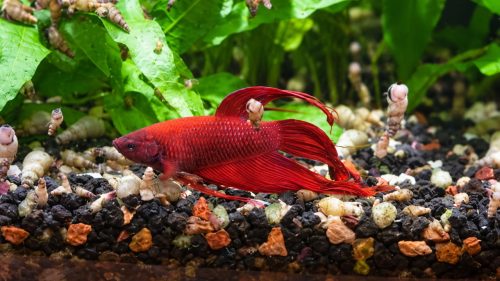
Nitrate poisoning occurs when chemical levels in the aquarium spike. Affected fish may appear pale or discolored, breathe heavily, and seem lethargic, often resting on their side without being dead.
Test the water for nitrate levels, which should ideally be close to zero and never exceed 20 ppm. If nitrates are too high, do a partial water change and ensure the tank has a properly cycled filter.
5. Swim Bladder Disease
Swim bladder disease is a relatively common condition in fish and is one of the main reasons a betta fish may start lying on its side.
The swim bladder is an organ that helps fish maintain their balance and control their position in the water. When it stops working properly, a betta may struggle to swim normally or maintain its balance. Depending on the severity of the problem, the fish may float close to the surface, sink toward the bottom, or remain lying on its side.
In many cases, swim bladder disease is related to overfeeding, constipation, or difficulty digesting food. If your betta is experiencing these problems, you can try offering small amounts of thawed green peas or daphnia, which can provide additional fiber and may help with digestion. Another option is to stop feeding your fish for a couple of days to give its digestive system time to recover.
As the bloating or digestive issue improves, the betta should gradually regain its ability to swim normally. In many cases, a fish that was previously lying on its side will become active again once the underlying problem has been resolved.
The best way to reduce the risk of swim bladder problems and constipation is to avoid overfeeding. Feed your betta once or twice a day and keep portions small, typically around four to six pellets per feeding.
6. Small Aquarium
The size of your aquarium can also be a reason why your betta fish is not moving normally. If the tank is too small, your betta may not have enough space to swim and explore comfortably.
For a single betta fish, a tank with a capacity of around three to five gallons is generally recommended. As the fish grows, additional water volume may be needed, with roughly one extra gallon for every inch of growth. If you plan to keep your betta together with community fish, you will need an even larger aquarium to provide enough space for all the fish.
When it comes to betta fish, a bigger tank is usually the better choice. Bettas are active fish that benefit from having plenty of room to swim and move around. In a small aquarium, their movement can become restricted. Smaller tanks can also accumulate waste and develop a higher bio-load more quickly, which can create unhealthy and potentially poisonous conditions for your betta.
Providing a larger aquarium can also help reduce territorial aggression. Bettas are naturally territorial, but having more space gives them the opportunity to establish their own area without constantly having to compete with other fish for limited territory.
A properly sized tank therefore gives your betta more freedom to move, supports better water conditions, and can help prevent behaviors such as lying on its side when the fish is otherwise still alive.
7. Temperature Fluctuation
Unstable water temperature can have a serious effect on a betta fish and may cause it to stop eating, become inactive, or spend more time lying at the bottom of the tank. Keeping the aquarium temperature stable is important, with the ideal range being around 75 to 80 degrees Fahrenheit.
Because bettas are tropical, cold water can be particularly stressful for them. A rapid drop in temperature can cause cold shock, which may lead to lethargy and make it difficult for the fish to swim normally. Bettas are cold-blooded animals, meaning they rely on their surroundings to regulate their body temperature rather than producing their own body heat. When the water suddenly becomes colder, their metabolism and movement can slow down significantly.
On the other hand, a sudden increase in temperature can also cause problems. Hot temperature shock may result in unusual or erratic swimming, heavy breathing, reduced activity, and general stress. Although the effects may not always be as severe as those caused by cold shock, rapid temperature changes can still be difficult for a betta fish to tolerate.
For this reason, maintaining a consistent water temperature is just as important as keeping it within the recommended range. Avoid sudden changes whenever possible and make temperature adjustments gradually to reduce stress on your betta.
8. Wrong pH
Poor water quality is another possible explanation for a betta fish lying on its side at the bottom of the aquarium. One of the water parameters that should be checked is the pH level, as an unsuitable pH can place significant stress on your fish.
Bettas generally do well in water with a pH close to neutral, around 7.0. Tap water can often be suitable for a betta aquarium, provided that it has an appropriate pH, typically within the range of 6.5 to 7.5. However, tap water should always be tested before being added to the tank.
A sudden or significant change in pH can cause what is known as pH shock. In severe cases, this can be fatal, while prolonged exposure to unsuitable water conditions can gradually weaken the fish. A betta affected by poor water quality may become sluggish, show very little movement, and spend increasing amounts of time resting at the bottom of the tank.
If your betta suddenly becomes inactive or starts lying on its side, checking the aquarium’s water parameters should therefore be one of the first steps. Maintaining stable and appropriate water conditions is essential for keeping your betta healthy.
9. Lack Of Filter
If your betta fish is constantly resting on its side or staying at the bottom of the aquarium, poor filtration could be part of the problem. A properly functioning filter helps remove harmful waste, toxins, and bacteria from the water, creating a healthier environment for your fish.
When an aquarium does not have adequate filtration, harmful substances can gradually accumulate. High levels of ammonia and nitrates can eventually lead to poisoning and cause serious health problems. Poor water quality can also increase the risk of conditions such as fin rot and bacterial infections.
However, simply having a filter does not guarantee that your betta will be comfortable. A filter that produces a strong current can actually make your fish less active. Bettas are not strong swimmers, and constantly swimming against powerful water flow can quickly exhaust them. Instead of continuing to fight the current, a tired betta may choose to remain near the bottom or stop moving altogether.
If the filter flow is too strong, there are several ways to make it gentler. Adding a sponge filter can help reduce the strength of the current, while redirecting the water flow toward aquarium decorations can prevent the stream from hitting your betta directly.
The goal is to maintain clean, well-filtered water while keeping the current gentle enough that your betta can swim comfortably without having to constantly struggle against the flow.
10. Improper Eating Habits
A balanced diet plays an important role in keeping a betta fish healthy and active. However, both overfeeding and underfeeding can cause problems and may be responsible for a betta spending too much time at the bottom of the tank.
Giving your betta more food than it needs can lead to bloating and digestive discomfort. When a fish becomes overly full, it may become less active and have difficulty swimming normally. As a result, you may notice your betta staying at the bottom of the aquarium, resting on its side, or simply refusing to swim.
Underfeeding can be just as problematic. If a betta does not receive enough food over time, it may fail to get the nutrients and energy necessary to remain active and healthy. Low energy levels can make the fish sluggish and reduce its normal swimming activity.
For this reason, finding the right balance is essential. Feed your betta an appropriate amount of nutritious food rather than simply giving it more food whenever it appears hungry. Proper portions can help prevent bloating while ensuring your fish receives the nutrition and energy it needs.
11. Lack Of Habitat Features
The decorations and habitat features inside an aquarium are not only there to make the tank look attractive. They also play an important role in creating a comfortable and secure environment where betta fish can feel safe.
Bettas naturally enjoy having places where they can hide and rest. If an aquarium is too open and does not provide enough shelter, your betta may become stressed. In some cases, this stress can contribute to the fish spending more time at the bottom of the tank or lying on its side.
Adding live or artificial plants, along with suitable decorations such as a small cave, shelter, or aquarium house, can give your betta more places to retreat. These hiding spots allow the fish to rest and feel protected, which can help reduce stress and encourage more natural behavior.
Creating a tank with enough shelter and resting areas can therefore contribute to your betta’s overall well-being and may help prevent it from constantly staying at the bottom of the aquarium.
12. Wrong Tank Mates
Bettas are often called Siamese fighting fish because of their well-known territorial and aggressive nature. Although they can sometimes live peacefully with other fish, choosing suitable tank mates is important to prevent stress and conflict.
Avoid keeping bettas with fish that are significantly larger, highly colorful, or known for aggressive behavior, as these species can make a betta feel threatened. Fish that constantly nip at fins should also be avoided. Peaceful bottom feeders can often be a better choice because they tend to stay away from the betta’s territory and generally cause less disturbance.
One of the most important rules is to never keep two male betta fish together in the same aquarium. Male bettas are highly territorial and will usually fight when they are forced to share the same space, potentially resulting in serious injury or even death.
Aggression is not the only response a betta can have when it feels threatened. Some bettas may become frightened or stressed instead of fighting back. They may hide, become unusually still, or stop moving altogether. If a betta is housed with a more aggressive fish, prolonged stress can cause it to retreat and remain inactive rather than showing its usual behavior.
13. Death
The most serious reason a betta fish may stop moving is that it could be nearing the end of its life. Although this is something every fish owner hopes to avoid, aging is a natural part of keeping a betta.
A betta fish typically lives for around two to four years, although its lifespan can vary depending on factors such as water quality, temperature, diet, and overall care. Providing a clean and stable environment and maintaining proper aquarium conditions can help your fish live longer and remain healthier.
If your betta is completely motionless, check its gills carefully. Look for subtle movements that indicate the fish is still breathing, even if it is lying on the bottom or resting on its side. Changes in color or unusual discoloration can also be a sign that the fish has died.
You can also gently tap the aquarium glass and observe your betta for a response. A living fish may react to the vibration with even a small movement. However, avoid tapping repeatedly or hard, as this can cause unnecessary stress. If there is no response and you cannot detect any breathing or gill movement, the fish may have died.
Best Practices To Prevent Betta Fish From Not Moving
To help prevent your betta fish from lying on its side or staying at the bottom of the tank, follow these simple care tips:
- Watch for signs of illness, including lethargy, unusual behavior, or loss of appetite
- Treat health problems such as swim bladder disease with appropriate medication or remedies
- Provide a comfortable place where your betta can rest
- Test the water regularly and make sure there are no harmful chemical spikes
- Give your betta a balanced diet without overfeeding or underfeeding
- Add hiding spots or consider a larger tank to reduce stress
- Avoid overcrowding the aquarium, which can limit your betta’s swimming space
- Choose tank mates carefully and avoid aggressive fish
- Keep the aquarium temperature between **75 and 80 degrees Fahrenheit**
FAQ
What fish can live with bettas?
Some suitable tank mates for bettas include cory catfish, guppies, glass catfish, and blue gourami. When carefully chosen and kept in the right conditions, these fish can help create a calm community aquarium and reduce the chances of a betta becoming stressed, frightened, or hiding at the bottom or side of the tank.
Is it normal for a betta fish to stay still?
Yes, betta fish can sometimes remain still, and this can be completely normal. However, if your betta is unusually inactive or stays still for long periods, it may be a sign of an underlying problem. Common causes include poor water parameters, old age, stress, or illness.
What are the differences between a sleeping and dying fish?
A betta fish lying at the bottom of the tank may simply be sleeping, but it can also indicate that the fish is seriously ill or dying. Pay close attention to its appearance and behavior. Discoloration, dark spots, abnormal breathing, or visible signs of distress can suggest that the fish is struggling and may be dying rather than simply resting.
Conclusion
Have you ever looked at your aquarium and wondered, “Why is my betta fish not moving?” While it is possible that the fish has died, in many cases, staying still is simply part of normal betta fish behavior.
Still, it is important to check for possible signs of illness or stress. Test the aquarium water to ensure the chemical levels and temperature are within the appropriate range. Addressing any problems as soon as possible can help your betta stay active, healthy, and comfortable.
About the author

Samantha Bailey
Samantha is a betta fish enthusiast and hobby aquarist. She started keeping bettas in college and quickly fell in love with their vibrant colors and unique personalities. Over the past 7 years, she has gained hands-on experience with tank setups, water care, and fish health, which she now shares with other beginners through her blog.